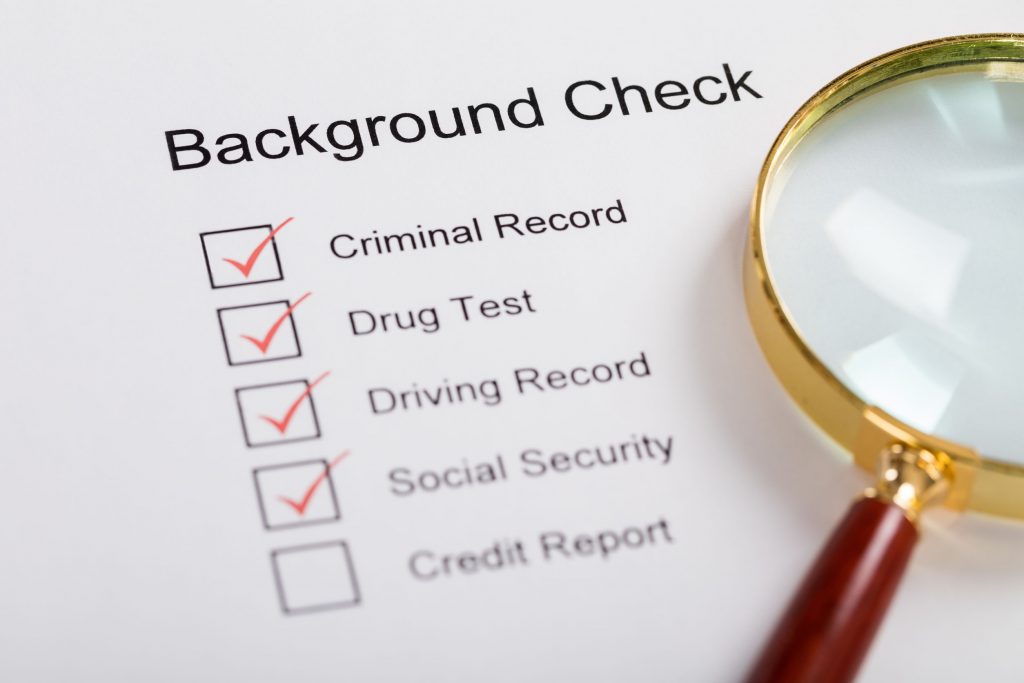
In an increasingly regulated and trust-driven world, organizations need reliable methods to verify information before making critical decisions. This is where background check services play a central role. From hiring employees and onboarding contractors to approving tenants and granting licenses, these services help verify identities, histories, and credentials with accuracy and consistency. As workplaces become more global and digital, the importance of dependable background verification has grown significantly.
Understanding what background check services verify and why accuracy is essential helps businesses, institutions, and individuals use these systems responsibly. Errors or incomplete checks can lead to poor decisions, legal risks, and reputational damage. This article provides a detailed explanation of how background check services work, the types of information they review, and why precision is critical at every stage of the process.
What Are Background Check Services?
Background check services are structured verification processes designed to confirm an individual’s personal, professional, and legal history. These services collect and analyze information from authorized databases, official records, and validated sources to ensure that the data provided by an individual is accurate and complete.
Unlike informal reference checks, background check services follow standardized procedures and legal frameworks. They are commonly used by employers, landlords, financial institutions, educational organizations, and government agencies to support informed and fair decision-making.
The Growing Importance of Background Check Services
The reliance on background check services has increased due to stricter compliance requirements and heightened awareness of workplace safety and risk management. Organizations are expected to demonstrate due diligence when hiring or approving individuals for sensitive roles.
Inaccurate or incomplete verification can expose organizations to legal liabilities, financial losses, and reputational harm. As a result, background check services are no longer optional but a fundamental part of responsible operations.
Types of Information Verified Through Background Check Services
Background check services verify multiple categories of information, depending on the purpose of the check and applicable regulations. Each category provides insights into different aspects of an individual’s background, helping organizations assess suitability and risk.
The scope of verification is typically defined by legal requirements, organizational policies, and the nature of the role or decision involved.
Identity Verification and Personal Details
Identity verification is the foundation of all background check services. This step ensures that the individual being reviewed is who they claim to be. Verification typically includes full name, date of birth, address history, and government-issued identification.
Accurate identity verification prevents misidentification and ensures that subsequent checks are linked to the correct individual, reducing the risk of false results.
Employment History Verification
Employment verification confirms an individual’s past work experience, including job titles, employment dates, and sometimes responsibilities. Background check services use employer records, references, and official documentation to validate this information.
This process helps organizations assess experience claims and identify discrepancies that could indicate misrepresentation.
Education and Credential Verification
Educational verification confirms degrees, certifications, and professional qualifications. Background check services contact educational institutions or use authorized databases to validate credentials.
This step is especially important in regulated professions where specific qualifications are legally required.
Criminal Record Verification
Criminal record checks are a key component of many background check services. These checks review authorized law enforcement and court databases to identify convictions or other legally reportable records.
The scope of criminal verification depends on jurisdictional laws and the relevance of the information to the decision being made.
Financial and Credit History Checks
In roles involving financial responsibility or access to sensitive assets, background check services may include credit or financial history verification. These checks assess patterns related to debt management and financial reliability.
Such information is handled with strict confidentiality and is subject to data protection laws.
Reference and Character Checks
Some background check services include reference checks to gather insights into an individual’s character and work ethic. These checks involve structured communication with professional references.
While more subjective than other verifications, reference checks provide valuable context when used responsibly.
How Background Check Services Collect and Verify Data
The effectiveness of background check services depends on reliable data collection and verification methods. These processes are designed to ensure accuracy while complying with legal and ethical standards.
Verification may involve automated systems, manual reviews, or a combination of both.
Authorized Databases and Official Records
Background check services rely on authorized data sources such as government registries, court systems, educational institutions, and employer records. Access to these sources is regulated to protect privacy and data integrity.
Using official records ensures that verified information is factual and legally recognized.
Manual Review and Quality Assurance
Automated systems improve efficiency, but manual review remains essential for complex cases. Trained professionals assess discrepancies, verify ambiguous records, and ensure compliance with legal requirements.
Quality assurance processes help maintain high accuracy standards across all background check services.
Consent and Legal Authorization
Consent is a legal requirement for most background check services. Individuals must be informed about the scope of verification and authorize the process before it begins.
This transparency protects individual rights and ensures lawful data handling.
Why Accuracy Matters in Background Check Services
Accuracy is the cornerstone of effective background check services. Inaccurate information can lead to unfair decisions, legal challenges, and loss of trust.
Both false positives and false negatives carry serious consequences for organizations and individuals alike.
Reducing Legal and Compliance Risks
Incorrect background information can result in discriminatory practices or wrongful decisions. Organizations relying on inaccurate background check services may face legal penalties and regulatory scrutiny.
Accurate verification supports compliance with employment, privacy, and data protection laws.
Protecting Individuals From Unfair Outcomes
Errors in background check services can unfairly harm individuals by misrepresenting their history. Mistaken identity, outdated records, or incorrect data can limit opportunities and damage reputations.
Ensuring accuracy promotes fairness and ethical decision-making.
Enhancing Organizational Trust and Credibility
Organizations that use accurate background check services demonstrate responsibility and professionalism. This builds trust with employees, customers, partners, and regulators.
Reliable verification processes contribute to a positive organizational reputation.
Common Challenges Affecting Accuracy
Despite best practices, background check services face challenges that can affect accuracy. Understanding these challenges helps organizations interpret results responsibly.
Challenges often arise from data limitations, jurisdictional differences, and human error.
Incomplete or Outdated Records
Some databases may not be updated in real time, leading to incomplete information. Background check services must account for these limitations and clearly communicate them in reports.
Regular data updates and cross-referencing reduce this risk.
Similar Names and Identity Confusion
Common names or incomplete identifiers can result in record mismatches. Accurate identity verification and additional identifiers help background check services avoid such errors.
This highlights the importance of robust verification methods.
Jurisdictional Variations
Different regions have varying rules about what information can be accessed and reported. Background check services must navigate these differences carefully to ensure lawful and accurate results.
Organizations operating across borders must be especially vigilant.
Legal and Ethical Framework Governing Background Check Services
Background check services operate under strict legal and ethical guidelines designed to balance organizational needs with individual rights.
Compliance with these frameworks is essential for responsible use.
Privacy and Data Protection Laws
Data protection laws regulate how personal information is collected, stored, and shared. Background check services must implement safeguards to protect sensitive data and limit access.
Encryption, access controls, and retention policies are critical components of compliance.
Fair Use and Non-Discrimination Principles
Information obtained through background check services must be used fairly and relevantly. Decisions should consider context and avoid blanket exclusions.
Ethical use promotes rehabilitation and equal opportunity.
Transparency and Right to Review
Individuals often have the right to review and dispute information contained in background check reports. Transparent processes support accuracy and accountability.
Providing clear explanations helps resolve disputes efficiently.
The Role of Technology in Modern Background Check Services
Technology has significantly improved the efficiency and accuracy of background check services. Digital platforms streamline data collection, verification, and reporting.
Advancements continue to shape the future of verification.
Automation and Digital Integration
Automated systems reduce manual errors and speed up verification. Integration with official databases allows background check services to retrieve information more efficiently.
Automation enhances consistency while maintaining compliance.
Secure Digital Platforms
Modern background check services use secure online platforms to manage applications and results. These systems improve accessibility while protecting sensitive data.
User-friendly interfaces also improve transparency for applicants.
Best Practices for Using Background Check Services Effectively
Organizations can maximize the value of background check services by following best practices that emphasize accuracy, fairness, and compliance.
Preparation and clear policies are key.
Defining Scope and Relevance
Organizations should define what information is relevant to their specific needs. Limiting scope reduces unnecessary data collection and supports ethical use.
Clear criteria also simplify decision-making.
Partnering With Reliable Service Providers
Choosing reputable background check services ensures access to accurate data and compliant processes. Experienced providers understand legal requirements and quality standards.
This partnership reduces risk and improves outcomes.
Ongoing Review and Process Improvement
Regularly reviewing verification processes helps identify gaps and improve accuracy. Feedback and audits support continuous improvement.
Adapting to regulatory changes ensures long-term compliance.
Future Trends in Background Check Services
The future of background check services is shaped by technological innovation and evolving legal expectations. Enhanced digital identity systems and real-time verification are emerging trends.
These developments aim to improve accuracy while protecting individual rights.
Conclusion
Background check services are essential tools for verifying information and supporting responsible decision-making. By confirming identity, credentials, employment history, and legal records, they help organizations reduce risk and maintain trust. Accuracy is critical at every stage, as errors can have serious legal, ethical, and personal consequences.
When used lawfully and thoughtfully, background check services create a balanced system that protects organizations while respecting individual rights. As technology and regulations continue to evolve, accurate and transparent background verification will remain a cornerstone of modern compliance and trust-building.