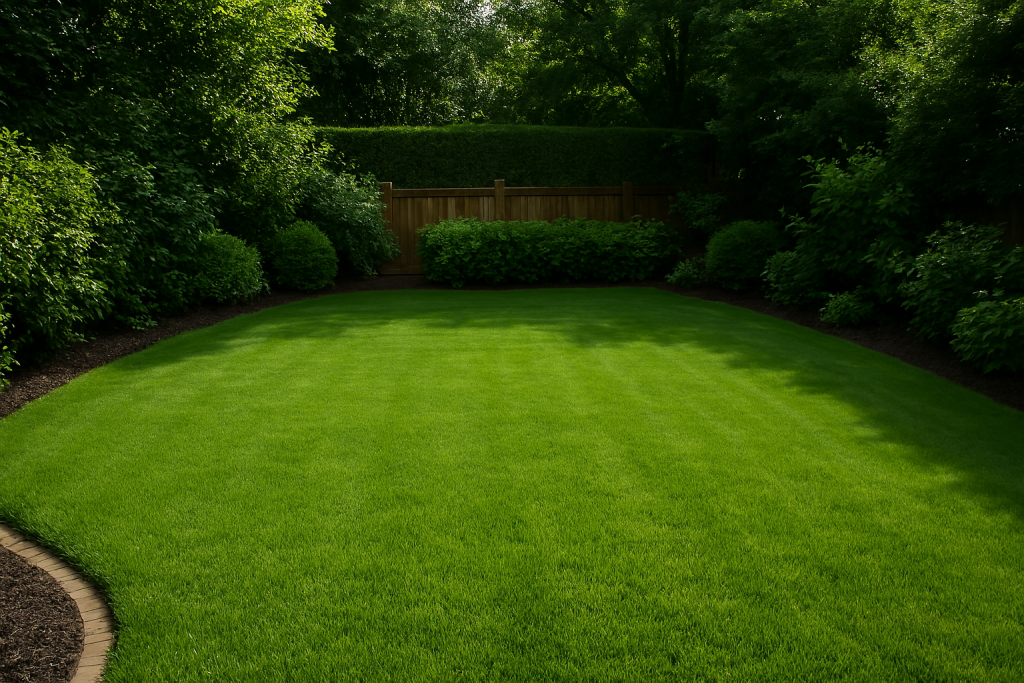
Lawn care is often treated as a reaction rather than a routine. When grass turns pale, weeds spread, or patches appear, a quick fix is applied. While this approach may offer temporary improvement, it rarely results in a consistently healthy lawn.
Structured lawn care takes a different approach. Instead of reacting to problems, it focuses on prevention, consistency, and seasonal timing. Over time, this method delivers stronger turf, fewer recurring issues, and a lawn that performs reliably throughout the year.
The Limitations of One-Off Lawn Treatments
One-off treatments typically target symptoms, not causes.
Common limitations include:
- Short-lived visual improvement
- Uneven growth patterns
- Increased weed pressure
- Repeated stress on turf
Without follow-up care, lawns often return to poor condition within weeks.
How Grass Responds to Consistency
Grass thrives on predictability. Regular mowing, feeding, and care allow turf to:
- Develop deeper roots
- Grow evenly
- Recover faster from stress
- Resist weeds naturally
Structured care provides this consistency, while reactive treatments disrupt it.
Seasonal Lawn Care and Growth Cycles
Grass growth changes throughout the year, and lawn care must adapt accordingly.
- Active growth periods: Focus on nutrition and controlled growth
- High-stress periods: Prioritise protection and recovery
- Slower growth periods: Maintain stability and prevent decline
Structured plans adjust care based on these cycles rather than applying the same treatment repeatedly.
Why Soil Health Matters in Lawn Care
Healthy lawns start below the surface. Soil conditions influence:
- Water retention
- Nutrient uptake
- Root development
Reactive treatments often ignore soil health, leading to recurring problems. Structured care incorporates soil improvement to support long-term turf performance.
Prevention as the Foundation of Lawn Health
Dense, healthy turf naturally suppresses weeds and resists pests. Structured lawn care focuses on:
- Maintaining turf density
- Reducing stress factors
- Supporting root systems
This reduces the need for corrective treatments later.
Cost Efficiency of Planned Lawn Car
Although structured lawn care may appear more involved, it often reduces costs over time by:
- Preventing lawn damage
- Minimising repeated treatments
- Avoiding major repairs
Spreading care evenly throughout the year is more efficient than reactive intervention.
Why Structured Care Saves Time
With a plan in place:
- Lawn care becomes predictable
- Maintenance sessions are shorter
- Emergency fixes are reduced
This leads to less time spent managing problems and more time enjoying outdoor spaces.
Professional Insight and Long-Term Results
Professional lawn care enhances structured plans by:
- Identifying early warning signs
- Applying treatments at optimal times
- Avoiding common maintenance mistakes
Expert oversight strengthens results without overworking the lawn.
Who Benefits Most From Structured Lawn Care
This approach is ideal for:
- Homeowners seeking consistent results
- Properties with recurring lawn issues
- Anyone wanting lower long-term maintenance stress
Rather than chasing problems, property owners gain stability and confidence.
Final Thoughts
Reactive lawn care often leads to repeated frustration. Structured lawn care replaces guesswork with consistency, prevention, and long-term planning.
By working with natural growth cycles and supporting soil health, structured care delivers lawns that stay healthy, resilient, and visually appealing throughout the year.